.jpeg)
The coronavirus has brought with it a slew of new scams, and the fraudsters are out in full force as the vaccine availability increases.
Throughout the entire pandemic, scamming and issues with fraud have been rising, especially for older adults, from COVID-19 fraud, to COVID Medicare fraud, to general Medicare fraud and more.
That’s why now more than ever, it’s important to protect yourself and your loved ones against fraud, as well as report anything suspicious so that the suppliers of COVID-19 vaccines can fight these scams as well.
An Example of a Coronavirus Scam
Have you recently received a random email or text, asking you to complete a survey about the Coronavirus vaccine? In one of many scams related to the virus, this one involves an email or text which claims that in exchange for completing a "limited time survey," you can receive a free reward...but they need you to pay the shipping fees.
And of course, that means that you would be providing them with your banking information.
.jpeg)
If you do receive one of these messages, the Federal Trade Commission (FTC) urges you to STOP because it's a scam. The FTC further states that you should not need to give your credit card or bank account number to pay for a “free” reward for completing a legitimate survey.
In fact, the FTC advises consumers not to give bank account, credit card, or personal information to someone who contacts you out of the blue.
How to Protect Yourself from COVID-19 Vaccine Fraud
If you do receive a suspicious text or email or aren’t sure whether it is legitimate, do not click on any links or open attachments. It could install harmful malware that steals your personal information without you even realizing it.
Additional ways the FTC suggests you protect yourself include:
- Filter or block unwanted text messages and use spam to rid yourself of unwanted emails.
- Set your computer and phone to automatically update so the devices can deal with security threats.
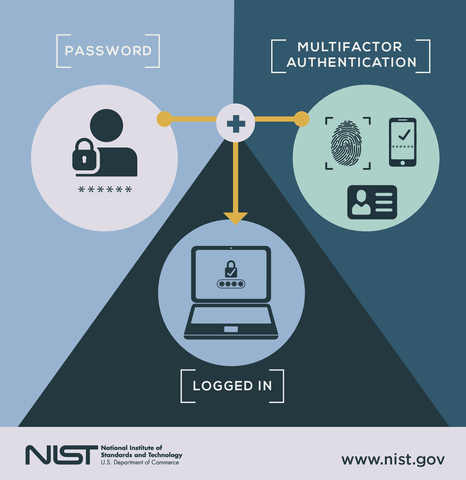
- Use a multi-factor authentication for extra security that requires two or more credentials to log in to your accounts, such as a passcode or your fingerprint scan. This makes it more difficult for the scammers to log into your account if they do get your online username and password.
If you get a suspicious or threatening email, text or other social media message, or need to report a scam, a company, or bad business practice, you can check out ReportFraud.ftc.gov for further information.
If your personal information, such as your online login username and password, bank account or driver’s license information, or Social Security number, was lost or stolen, report it to the federal government website for identity theft at Identity Theft Recovery Steps | IdentityTheft.gov. You can also phone them at 1-877-FTC-HELP.
Additional COVID-19 Vaccine Scams for Seniors to Look Out For

Conclusion: Reporting Coronavirus Scams Keeps Seniors Safe
When you do file a report to the appropriate officials, it may keep other people from experiencing the same scam, and could protect yourself and your community.
About the Author: For more information about Medicare and fraudulent scams, you can contact Jody Cohen at 602-326-4264 or jodycohen@outlook.com.


%2520(1).png)
.jpeg)